This manual details the installation, operation, and care of the M11 UltraClave™ Steam Sterilizer, intended for personnel responsible for its operation and maintenance.
The M9 / M11 Ultraclave is designed for sterilizing reusable items in medical, dental, and laboratory settings, ensuring compatibility with steam sterilization processes.
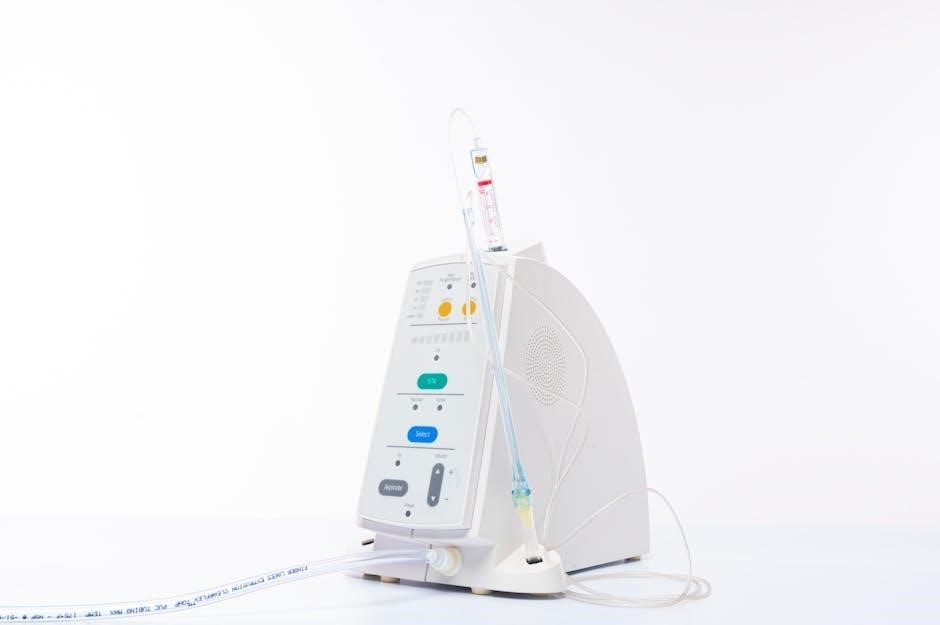
Overview of the M11 UltraClave System
The Midmark M11 UltraClave represents a significant advancement in steam sterilization technology, designed for reliable and efficient performance across diverse healthcare environments. This system, covered comprehensively within this manual, is engineered for use in medical and dental offices, hospitals, clinics, nursing homes, and laboratories.
It’s specifically intended for sterilizing heat and moisture-stable, reusable instruments – including critical dental handpieces – compatible with steam sterilization protocols. The M11 UltraClave, alongside the M9 and M9D models, offers a robust solution for infection control.
This manual provides detailed guidance on utilizing the system’s features, ensuring optimal sterilization results and adherence to established safety standards. Proper operation, as outlined herein, is crucial for maintaining the integrity of sterilized items and the safety of both patients and personnel.
Intended Use and Applications
The M9 / M11 Ultraclave, and the M9D Autoclave, are versatile sterilization systems designed for a broad spectrum of healthcare applications. As detailed in this manual, their primary intended use is the sterilization of heat and moisture-stable, reusable items commonly found in medical and dental practices.
This includes instruments utilized in hospitals, clinics, nursing homes, and laboratory settings. Specifically, the system is capable of effectively sterilizing dental handpieces, a critical component of dental procedures.
However, it’s essential to verify compatibility with steam sterilization before processing any instrument. This manual provides guidance on appropriate loading techniques and cycle selection to ensure optimal sterilization efficacy and prevent damage to sensitive instruments. Proper application is vital for maintaining infection control standards.
Manual Scope and Purpose
This manual serves as a comprehensive guide for the complete lifecycle management of the M9 / M11 UltraClave™ Steam Sterilizer. Its scope encompasses detailed instructions for proper installation procedures, ensuring a secure and functional setup. Furthermore, it provides thorough operational guidance, enabling users to effectively utilize all features of the sterilizer.
Crucially, the manual outlines essential normal care procedures, promoting longevity and consistent performance. It is specifically intended for personnel directly involved in operating the sterilizer or performing routine operator-level maintenance tasks.
However, it is important to note that this document does not include repair information, as all repairs are strictly authorized personnel only. This focused approach ensures safe and reliable operation.

Safety Precautions
Prioritize safety when installing and operating the M11 UltraClave; this manual details essential guidelines regarding electrical hazards, steam, and hot surfaces.
General Safety Guidelines
Always adhere to standard sterilization practices and institutional policies when utilizing the M11 UltraClave. Personnel must receive adequate training before operating this equipment, understanding its functions and potential hazards.
Never attempt to repair the sterilizer independently; authorized service personnel should handle all maintenance and repair procedures. Improper repairs can compromise safety and sterilization effectiveness.
Ensure proper ventilation in the sterilization area to prevent the buildup of steam and maintain a comfortable working environment. Regularly inspect the unit for any signs of damage or malfunction, and report any concerns immediately.
Follow all instructions outlined in this manual diligently to ensure safe and effective operation of the M11 UltraClave, protecting both personnel and the integrity of sterilized items.
Electrical Safety
Prior to connecting the M11 UltraClave to a power source, verify that the voltage and frequency match the unit’s specifications. Utilizing an incorrect power supply can cause damage and pose a safety risk.
Ensure the sterilizer is properly grounded to prevent electrical shock. Never operate the unit with a damaged power cord or plug; replace them immediately with manufacturer-approved components.
Avoid exposing electrical components to moisture or liquids. If accidental contact occurs, disconnect the power supply immediately and contact qualified service personnel for inspection.
Regularly inspect the power cord for signs of wear or damage. Do not attempt to modify or bypass any safety features incorporated into the electrical system of the M11 UltraClave.
Steam and Hot Surface Hazards
During and immediately following a sterilization cycle, the M11 UltraClave generates high-pressure steam and extremely hot surfaces. Exercise extreme caution to avoid burns.
Never open the sterilizer door during a cycle, as this can result in a sudden release of scalding steam. Allow the cycle to complete fully and the pressure to normalize before opening.
Always wear appropriate personal protective equipment (PPE), including heat-resistant gloves and eye protection, when handling sterilized items or working near the sterilizer.
Be mindful of hot surfaces on the exterior of the unit, such as the door, trays, and exhaust vents. Allow sufficient cooling time before touching these areas.
Installation Procedures
Proper installation requires careful site preparation, unpacking, inspection, and connection of essential utilities like water, electrical power, and drainage systems.
Site Requirements and Preparation
Before installing the M11 UltraClave, ensure the designated location meets specific requirements for optimal performance and safety. Adequate space must be available around the unit for proper ventilation, access for maintenance, and unobstructed operation of the door and controls.
Verify the floor can support the sterilizer’s weight when fully loaded. Confirm the availability of appropriate utility connections – a dedicated electrical circuit with correct voltage, a potable water supply with adequate pressure, and a suitable drain line capable of handling the sterilizer’s discharge.
The installation area should be free from flammable materials and excessive moisture. Consider environmental factors like temperature and humidity, as these can impact sterilization cycles. Thorough preparation minimizes potential issues during installation and ensures long-term reliability.
Unpacking and Inspection
Upon delivery, carefully inspect the shipping container for any signs of damage during transit. Document any visible damage immediately with photographs and notify the carrier and Midmark. Do not accept a damaged shipment until the issue is resolved.
Once the packaging is removed, verify that all components listed on the packing slip are present. This includes the M11 UltraClave unit itself, trays, any included accessories, and this installation and operation manual.
Thoroughly examine the sterilizer for any cosmetic damage, such as dents or scratches. Check all connections and ensure nothing appears loose or broken. Report any discrepancies or damage to Midmark customer support promptly before proceeding with installation.
Connecting Utilities (Water, Electrical, Drain)
Prior to connecting utilities, ensure the site requirements are met, including appropriate water pressure, electrical voltage, and drain access. Connect the water supply line to the designated inlet, verifying a secure and leak-proof connection. Use only potable water, as impurities can damage the unit.
Connect the M11 UltraClave to a dedicated electrical circuit, matching the voltage and amperage specifications outlined in the manual. Proper grounding is crucial for safety. Finally, connect the drain line to a suitable floor drain, ensuring it can handle the hot discharge water.
Double-check all connections for tightness and proper installation before powering on the unit.
Operating the M11 UltraClave
Personnel should familiarize themselves with the control panel and proper loading procedures to ensure effective sterilization of compatible, reusable medical instruments.
Powering On and Initial Setup
Before initial operation, verify the M11 UltraClave is correctly installed with proper utility connections – water, electrical, and drain – as detailed in the installation section of this manual.
Ensure the unit’s main power switch is in the ‘off’ position. Then, connect the power cord to a grounded electrical outlet matching the sterilizer’s voltage requirements.
Turn the main power switch to ‘on’. The control panel will initiate a self-test sequence, displaying system status. Allow the self-test to complete before proceeding.
Following the self-test, the display will indicate the sterilizer is ready for setup. Initial setup may involve setting the date, time, and printer configuration (if a printer is connected). Refer to the ‘Printer Connection’ section for detailed instructions.
Finally, perform a preliminary empty cycle to flush the system and confirm proper operation before loading instruments.
Understanding the Control Panel
The M11 UltraClave’s control panel features a user-friendly interface for cycle selection, monitoring, and system configuration. A prominent digital display shows cycle status, temperature, pressure, and error messages.
Cycle selection buttons allow operators to choose from pre-programmed sterilization cycles, tailored to different instrument types and sterilization needs;
Start/Stop buttons initiate and interrupt cycles, while other buttons control functions like data logging and printer output.
Alert indicators, including visual and audible alarms, signal cycle completion, errors, or the need for maintenance.
Refer to the ‘Cycle Selection Guide’ within this manual for detailed descriptions of each cycle and its appropriate applications. Familiarization with the control panel is crucial for safe and effective operation.
Loading Trays and Instrument Preparation
Proper instrument preparation and tray loading are vital for successful sterilization with the M11 UltraClave. Instruments must be thoroughly cleaned and free of debris before loading. Ensure instruments are compatible with steam sterilization, as outlined in this manual.
Loading trays should not be overloaded, allowing for adequate steam penetration. Instruments should be positioned to avoid nesting or blocking steam pathways.
Pouches and wrapped instrument sets must be placed upright, with the peel pouch opening facing upwards.
Refer to ‘Standard Cycle Parameters’ for appropriate loading densities. Incorrect loading can lead to sterilization failures. Always verify proper instrument preparation before initiating a cycle;
Careful attention to these details ensures effective sterilization and maintains instrument integrity.
Sterilization Cycles
The M11 UltraClave offers various sterilization cycles, each with specific parameters for different instrument types and sterilization needs, as detailed in this manual.
Standard Cycle Parameters
Standard cycles within the M11 UltraClave are pre-programmed for common sterilization tasks, ensuring efficient and reliable results; These parameters, outlined in this manual, include temperature, pressure, and exposure time, carefully calibrated for optimal performance.
Typically, a standard cycle involves a pre-conditioning phase to remove air, followed by a sterilization phase maintaining specific temperature and pressure levels. Post-sterilization, a drying phase ensures instruments are ready for immediate use.
Cycle durations vary based on load size and selected cycle type. Refer to the manual’s cycle selection guide for detailed parameter specifications and appropriate applications. Consistent adherence to these parameters is crucial for achieving validated sterilization and maintaining infection control standards.
Cycle Selection Guide
Selecting the correct cycle on the M11 UltraClave is vital for effective sterilization. This manual provides a comprehensive guide, detailing each cycle’s parameters and intended use. Factors influencing cycle choice include instrument type, load configuration, and required sterilization level.
Common cycles include standard cycles for general instruments, rapid cycles for quicker turnaround, and specialized cycles for specific materials or heavily soiled items. The guide clarifies temperature, pressure, and exposure times for each option.
Always consult the manual and instrument manufacturer’s instructions to ensure compatibility. Improper cycle selection can compromise sterilization effectiveness. Prioritize validated cycles and adhere to established protocols for optimal patient safety and infection control.
Cycle Monitoring and Completion
Throughout each sterilization cycle, the M11 UltraClave provides real-time monitoring of critical parameters like temperature, pressure, and time. The control panel displays this information, allowing operators to verify proper cycle progression. Visual and audible alerts signal any deviations from set parameters.
Upon cycle completion, the sterilizer indicates success or failure. Successful cycles require documentation, including date, cycle type, and operator initials. Failed cycles necessitate investigation to identify the cause – often related to loading errors or equipment malfunctions.
Refer to this manual for interpreting error messages and implementing corrective actions. Always prioritize safety and follow established protocols for handling sterilized and non-sterilized items.
Maintenance and Cleaning
Regular maintenance, detailed in this manual, ensures optimal performance and longevity of the M11 UltraClave. Daily, weekly, and chamber cleaning procedures are essential.
Daily Maintenance Procedures
Consistent daily maintenance is crucial for the reliable operation of the Midmark M11 UltraClave. Begin each day by visually inspecting the unit for any obvious damage or leaks.
After each sterilization cycle, promptly remove sterilized items and allow the chamber to cool before initiating the cleaning process. Wipe down the exterior surfaces with a mild, damp cloth to remove any dust or spills.
Check the water reservoir level and replenish as needed, using distilled or deionized water to prevent mineral buildup. Verify the proper functioning of the door seal, ensuring a tight closure for effective sterilization.
Review the cycle log for any recorded errors or anomalies, addressing them promptly. Following these simple steps will contribute to the longevity and consistent performance of your M11 UltraClave.
Weekly Maintenance Procedures
Comprehensive weekly maintenance ensures optimal performance and extends the lifespan of the Midmark M11 UltraClave. Beyond daily checks, dedicate time each week to a more thorough inspection.
Descale the sterilizer chamber using a manufacturer-approved descaling solution, following the provided instructions carefully to prevent damage. Inspect and clean the steam generator, removing any mineral deposits that may have accumulated.
Check the drain line for any obstructions and flush with clean water to maintain proper drainage. Examine the door gasket for wear and tear, replacing it if necessary to ensure a secure seal;
Review and document all maintenance activities in the sterilizer’s logbook, maintaining a record of preventative care. Consistent weekly upkeep is vital for reliable sterilization.
Cleaning the Sterilizer Chamber
Regular cleaning of the M11 UltraClave’s chamber is crucial for maintaining sterility and preventing corrosion. After each sterilization cycle, and especially before weekly descaling, inspect the chamber for any visible debris or residue.
Use a mild, non-abrasive cleaning solution specifically designed for sterilizers, applying it with a soft cloth. Avoid harsh chemicals or scouring pads that could damage the chamber’s surface. Pay close attention to corners and crevices where contaminants may accumulate.
Rinse the chamber thoroughly with distilled water to remove any remaining cleaning solution. Ensure the chamber is completely dry before running another sterilization cycle. Proper cleaning contributes significantly to the unit’s longevity.
Troubleshooting Common Issues
This section details error codes, cycle failures, and water supply problems encountered with the M11 UltraClave, offering solutions for efficient operation.
Error Codes and Their Meanings
The M11 UltraClave utilizes a comprehensive error code system to quickly diagnose operational issues. Understanding these codes is crucial for efficient troubleshooting and minimizing downtime. For instance, a code indicating a water supply problem necessitates immediate attention to ensure proper sterilization.
Other codes may relate to temperature sensor malfunctions, door seal failures, or issues with the steam generator. This manual provides a detailed listing of each error code, accompanied by a clear explanation of the underlying problem and recommended corrective actions.
Operators should familiarize themselves with this section to effectively address common issues and prevent potential damage to the sterilizer. Ignoring error codes can lead to compromised sterilization cycles and pose a risk to patient safety.
Addressing Cycle Failures
Cycle failures on the M11 UltraClave require systematic investigation. First, consult the error code displayed (see section on Error Codes) to pinpoint the potential cause. Common failures stem from inadequate loading, improper instrument preparation, or issues with the steam supply.
Verify the door is securely sealed and that all connections (water, drain, electrical) are functioning correctly. If the failure persists, review the cycle parameters to ensure they align with the instruments being sterilized.
This manual emphasizes the importance of documenting all failures and corrective actions taken. Repeated failures may indicate a need for professional service or maintenance. Never attempt to restart a cycle without resolving the underlying issue.
Resolving Water Supply Problems
Water supply issues are a frequent cause of M11 UltraClave malfunctions. Ensure the water line is fully open and that water pressure meets the sterilizer’s specifications – insufficient pressure will trigger errors. Check for kinks or obstructions in the water line itself.
If using a reverse osmosis (RO) system, verify its functionality and that the RO water is within acceptable Total Dissolved Solids (TDS) limits. Regularly inspect the water filter for sediment buildup and replace as needed.
This manual advises against using softened water, as it can cause scaling. Document all water-related issues and resolutions for future reference and potential service calls.

Advanced Features and Settings
This manual details data logging, printer configuration, and potential customization of sterilization cycles on the M11 UltraClave, enhancing operational control.
Data Logging and Reporting
The Midmark M11 UltraClave incorporates advanced data logging capabilities, meticulously recording critical cycle parameters for comprehensive documentation and quality assurance. This manual details how to access and interpret this logged data, providing a historical record of sterilization processes.
Information typically logged includes cycle date and time, cycle type selected, temperature profiles throughout the cycle, pressure readings, and any error codes encountered. This data is invaluable for tracking sterilization performance, identifying potential trends, and demonstrating compliance with regulatory standards.
Furthermore, the system supports reporting functionalities, allowing users to generate reports summarizing sterilization activity over specified periods. These reports can be utilized for internal audits, quality control assessments, and external inspections, ensuring transparency and accountability in sterilization practices.
Printer Connection and Configuration
The Midmark M11 UltraClave offers the convenience of connecting a printer for hardcopy documentation of sterilization cycles. This manual provides step-by-step instructions on establishing a reliable printer connection, ensuring seamless data transfer and report generation.
Typically, the printer connection utilizes a standard interface, such as USB or serial port. The configuration process involves selecting the appropriate communication port within the sterilizer’s control panel settings. Detailed guidance is provided on configuring the printer settings to match the sterilizer’s output format.
Once configured, the printer automatically generates cycle reports, providing a permanent record of sterilization parameters. This feature streamlines documentation processes, facilitating compliance with regulatory requirements and enhancing traceability of sterilized instruments.
Customizing Cycle Parameters (if applicable)
This manual details whether the Midmark M11 UltraClave allows for customization of sterilization cycle parameters. While standard cycles are pre-programmed for optimal performance, certain models may offer adjustable settings for advanced users.
Potential customizable parameters could include cycle time, temperature, and steam pressure. Modifying these settings requires a thorough understanding of sterilization principles and instrument compatibility. Incorrect adjustments may compromise sterilization effectiveness.
If customization is enabled, the manual provides clear instructions on accessing and modifying these parameters through the control panel interface. It emphasizes the importance of documenting any changes made and validating the sterilization process after customization. Always prioritize adherence to established sterilization guidelines.

Regulatory Compliance
This manual ensures the M11 UltraClave meets sterilization standards and guidelines, requiring strict quality control procedures and thorough documentation for record keeping.
Sterilization Standards and Guidelines
The Midmark M11 UltraClave is designed to adhere to stringent sterilization standards crucial for maintaining a safe clinical environment. Proper operation, as detailed within this manual, is paramount to achieving validated sterilization cycles.
Compliance with recognized guidelines, such as those established by relevant health authorities, is essential. These guidelines dictate parameters like temperature, pressure, and exposure time, all meticulously controlled by the M11.

Users must understand and follow these standards to ensure effective elimination of microorganisms from medical and dental instruments. Regular monitoring and documentation, as outlined in the Quality Control Procedures section, are vital for demonstrating ongoing compliance and maintaining patient safety.
Adherence to these standards is not merely a recommendation, but a regulatory requirement for healthcare facilities.
Quality Control Procedures
Maintaining rigorous quality control is essential when utilizing the Midmark M11 UltraClave. This involves consistent monitoring of each sterilization cycle to verify its effectiveness and adherence to established standards.
Regularly documenting cycle parameters – including temperature, pressure, and cycle duration – is crucial for record-keeping and demonstrating compliance. Biological indicators, such as spore tests, should be used periodically to validate the sterilizer’s ability to kill resistant microorganisms.
Physical and chemical indicators provide immediate confirmation that sterilization conditions have been met. Proper interpretation of these indicators, as described in this manual, is vital.
Detailed records of all quality control tests must be maintained, providing a traceable history of sterilization performance and supporting regulatory compliance.
Documentation and Record Keeping
Comprehensive documentation is paramount for the Midmark M11 UltraClave. Maintaining detailed records of each sterilization cycle demonstrates adherence to sterilization standards and facilitates traceability.
Records should include cycle parameters like date, time, operator initials, cycle type selected, and any observed anomalies. Results from biological indicator testing – spore tests – must be meticulously documented, noting both positive and negative outcomes.
Retain records of all maintenance performed, including cleaning schedules and any corrective actions taken.
This manual emphasizes the importance of organized record-keeping for quality control and regulatory compliance, ensuring a verifiable history of sterilization processes.