Junior Eco Camper Badge Requirements: A Comprehensive Plan
Junior Achievement provides business education globally, mirroring the badge’s aim to educate young campers about ecological responsibility and sustainable practices.
Understanding the Junior Eco Camper Badge
This badge signifies a camper’s dedication to environmental stewardship and a foundational understanding of ecological principles. It’s designed to foster appreciation for the natural world and empower young individuals to become responsible conservationists. The program, much like Junior Achievement’s focus on practical skills, emphasizes hands-on learning and active participation.
Successful completion demonstrates knowledge of local ecosystems, conservation techniques, and sustainable living practices. The badge isn’t merely about memorizing facts; it’s about cultivating a lifelong commitment to protecting our planet. It mirrors the spirit of groups like SNH48, fostering a sense of community and shared purpose through engaging activities and collaborative learning experiences.
Badge Overview & Purpose
The Junior Eco Camper badge aims to inspire a generation of environmentally conscious individuals. Its core purpose is to educate campers about the interconnectedness of ecosystems and the importance of conservation. Similar to how Super Junior has evolved over 14+ years, this badge program is designed to grow with campers, building upon foundational knowledge.
The badge requirements encourage exploration, responsible interaction with nature, and the adoption of sustainable habits. It’s about moving beyond awareness to active participation in environmental protection. Like the diverse talents within Super Junior, the badge encompasses a range of skills – from identifying local flora and fauna to practicing Leave No Trace principles, fostering well-rounded environmental literacy.
Eligibility Criteria for Junior Campers
To earn the Junior Eco Camper badge, participants must be currently enrolled in a program designed for their age group, typically aligning with scouting or similar youth organizations. Just as Super Junior initially debuted with a rotating member system (Super Junior 05), this badge has adaptable elements.
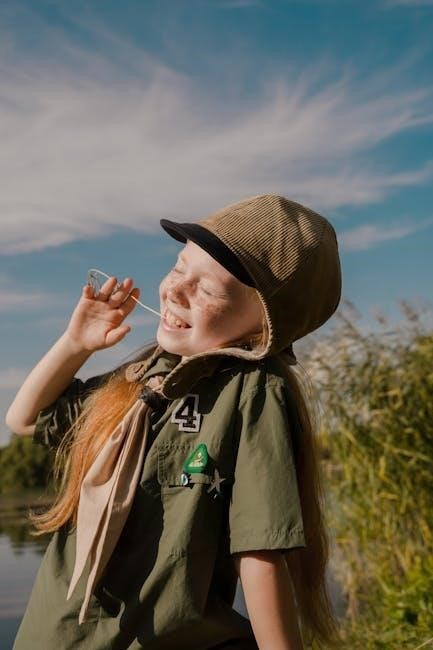
Campers should demonstrate a basic understanding of respecting natural environments and a willingness to learn. A keen interest in the outdoors is highly encouraged. Prior camping experience isn’t mandatory, but a positive attitude towards outdoor activities is essential. Like distinguishing a “junior” athlete from a “senior,” this badge targets a specific developmental stage, fostering early environmental stewardship.
Core Requirement 1: Nature Exploration
This requirement centers on direct engagement with the natural world, mirroring the extensive variety of experiences gained by groups like Super Junior over their 14+ year career. Campers must participate in at least three guided nature walks, each focusing on a different ecosystem – forest, meadow, and wetland are suggested.
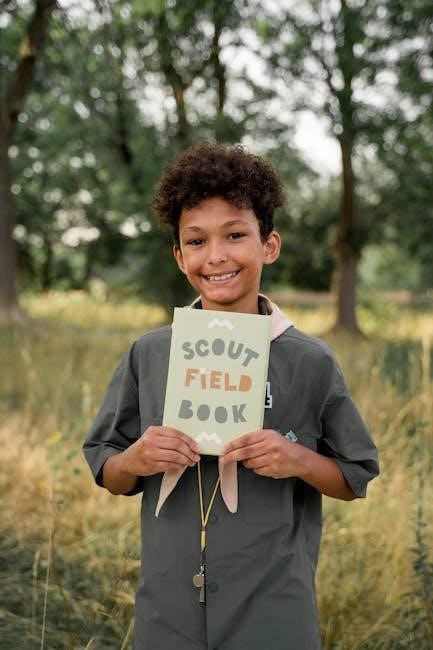
During these explorations, campers will practice observational skills, documenting their findings through sketches, journals, or photographs. Emphasis is placed on using senses – sight, sound, smell – to fully immerse themselves in the environment. This hands-on approach, similar to a band’s live performances, fosters a deeper connection with nature.
Identifying Local Flora and Fauna
Campers will learn to identify at least ten common plant species and five animal species native to their camping area, much like recognizing members of a long-standing group like Super Junior. This includes learning both common and scientific names, and understanding basic characteristics – leaf shape, flower color, animal tracks, and calls.
Utilizing field guides and expert assistance from park rangers or local naturalists is encouraged. A scavenger hunt focusing on identifying specific species can make learning fun and engaging. Emphasis will be placed on understanding the role each species plays within its ecosystem, fostering appreciation for biodiversity.
Responsible Wildlife Observation Techniques
Campers will be instructed on how to observe wildlife respectfully and without causing disturbance, similar to how long-time fans appreciate Super Junior’s journey over many years. This includes maintaining a safe distance, avoiding direct eye contact, and minimizing noise.
They’ll learn to recognize signs of stress in animals and understand why approaching or feeding wildlife is harmful. Emphasis will be placed on using binoculars or spotting scopes for observation, and documenting findings through sketching or journaling. Campers will practice “leave no trace” principles during observation, ensuring minimal impact on the animal’s habitat.
Core Requirement 2: Conservation Practices
This section focuses on practical skills mirroring the dedication of Super Junior fans who’ve followed the group for over a decade, supporting their various projects. Campers will actively participate in conservation efforts, learning to minimize their environmental footprint.
Activities include a detailed exploration of “Leave No Trace” principles, emphasizing responsible waste management and campsite selection. They’ll engage in hands-on recycling and waste reduction exercises, understanding the lifecycle of materials. Campers will also learn about the importance of habitat restoration and participate in a small-scale restoration project, fostering a sense of stewardship.
Leave No Trace Principles Explained
Inspired by the longevity and diverse activities of Super Junior, mirroring their numerous variety show appearances, this module details the seven Leave No Trace principles. Campers will learn to Plan Ahead and Prepare, understanding weather and regulations.
They’ll practice Traveling and Camping on Durable Surfaces, minimizing impact. Dispose of Waste Properly, packing out everything they pack in, is emphasized. Leave What You Find encourages respecting cultural and natural artifacts. Campers will learn to Minimize Campfire Impacts and Respect Wildlife, observing from a distance. Finally, they’ll understand being Considerate of Other Visitors, ensuring a positive experience for all.
Recycling and Waste Reduction Strategies
Reflecting the enduring spirit of Super Junior, who’ve navigated 14+ years with consistent engagement, this section focuses on minimizing waste. Campers will learn to identify recyclable materials – paper, plastic, glass, and aluminum – and understand local recycling guidelines.
Strategies include reducing packaging by bringing reusable containers, opting for products with minimal waste, and composting food scraps where feasible. The importance of repurposing items will be highlighted, fostering creativity. Campers will participate in a waste audit, analyzing camp trash to identify reduction opportunities. Emphasis will be placed on the “Reduce, Reuse, Recycle” hierarchy, prioritizing waste prevention.
Core Requirement 3: Ecosystem Awareness
Similar to how Super Junior’s diverse member skills contribute to a strong group dynamic, ecosystems rely on interconnectedness. This requirement introduces campers to the concept of ecosystems – communities of living organisms interacting with their environment.
Campers will explore food chains and webs, understanding energy flow from producers to consumers and decomposers. Discussions will center on the vital role of biodiversity, emphasizing how a variety of species contributes to ecosystem health and resilience. Activities will include building food web models and observing local ecosystems, fostering appreciation for nature’s delicate balance and interdependence.
Understanding Food Chains and Webs
Reflecting the layered history of Super Junior’s activities and variety shows, ecosystems demonstrate complex relationships. Campers will learn that a food chain illustrates a linear sequence of organisms where energy is transferred through feeding. They’ll then expand this understanding to food webs, recognizing the interconnectedness of multiple food chains within an ecosystem.
Activities will involve identifying producers, consumers (herbivores, carnivores, omnivores), and decomposers in local environments. Campers will construct their own food chain and web diagrams, illustrating energy flow and the impact of removing a single species. This fosters comprehension of ecological balance and interdependence.
The Importance of Biodiversity
Similar to Super Junior’s diverse member talents and long-lasting appeal, biodiversity – the variety of life in the world or in a particular habitat – is crucial for a healthy ecosystem. Campers will explore how different species contribute to ecosystem stability and resilience. They’ll learn that a diverse ecosystem is better equipped to withstand environmental changes and disturbances.
Activities will focus on identifying different species in their local area and discussing the roles they play. Campers will investigate the consequences of losing biodiversity, such as habitat destruction and species extinction, and brainstorm ways to protect it. Understanding this interconnectedness is vital for responsible environmental stewardship;
Core Requirement 4: Sustainable Living Skills
Reflecting on Super Junior’s 15-year journey and continued relevance, sustainable living focuses on practices that meet present needs without compromising future generations. This core requirement equips Junior Eco Campers with practical skills to minimize their environmental impact. Campers will learn and practice water conservation techniques, like mindful usage and rainwater harvesting, mirroring responsible resource management.
Furthermore, they’ll explore energy-saving methods applicable to camping and daily life, understanding the connection between energy consumption and environmental health. Activities will emphasize reducing waste, reusing materials, and making eco-friendly choices, fostering a lifelong commitment to sustainability.
Water Conservation Methods
Inspired by the longevity and adaptability of groups like Super Junior, water conservation is crucial for ecosystem health. Junior Eco Campers will learn practical methods to reduce water waste during camping trips and at home. This includes understanding the importance of shorter showers, turning off taps while brushing teeth, and reporting leaks promptly.
Campers will also explore rainwater harvesting techniques, demonstrating how to collect and utilize rainwater for non-potable purposes. Discussions will cover the water cycle and the impact of pollution on water sources, fostering a deeper appreciation for this vital resource. Practical exercises will reinforce these concepts.
Energy Saving Techniques for Campers
Reflecting the dedication of groups like Super Junior to continuous improvement, campers will discover ways to minimize energy consumption during outdoor adventures. This involves understanding the energy demands of camping equipment and adopting strategies to reduce reliance on electricity.
Techniques include utilizing natural light whenever possible, opting for manual tools over battery-powered alternatives, and properly insulating tents to retain heat. Campers will learn about solar energy and its potential for powering small devices. Discussions will emphasize the connection between energy use and environmental impact, promoting responsible energy habits.
Badge Application & Verification
Similar to the structured progression within Super Junior, achieving the Junior Eco Camper badge requires a formal application process. Campers must submit a completed application form detailing their fulfillment of all core requirements, supported by documented evidence of their activities.
This documentation may include photos, written reports, or signed statements from adult leaders. Adult leaders play a crucial role in verifying the camper’s accomplishments, ensuring adherence to badge standards. Verification confirms the camper’s genuine understanding and practical application of eco-friendly principles, culminating in official badge award.
Completing the Required Documentation
Reflecting the detailed record-keeping of Super Junior’s extensive variety show history, meticulous documentation is key. The application requires a signed Camper Activity Log, detailing hours spent on each core requirement. Photographic evidence showcasing participation in nature exploration, conservation efforts, and sustainable living practices is essential.
Campers must also submit a short essay – approximately – outlining their biggest takeaway from the program and how they plan to apply these skills. Adult leader sign-off confirms the authenticity of the submitted materials, ensuring a thorough and verifiable record of achievement, similar to JA’s program standards.
Adult Leader Verification Process
Echoing the supportive dynamic within Super Junior and their fanbase, adult leader verification is a crucial step. Leaders review camper documentation, confirming the authenticity of activity logs and photographic evidence. They assess the camper’s understanding of core concepts, as demonstrated in their submitted essay.
Verification isn’t merely a formality; leaders provide constructive feedback, reinforcing positive behaviors and suggesting areas for growth. A signed attestation, affirming the camper’s successful completion of all requirements, is required. This process mirrors the rigorous standards of organizations like Junior Achievement, ensuring badge integrity and camper accountability.
Resources for Junior Eco Campers
Similar to the extensive Super Junior discography and variety show appearances, a wealth of resources supports badge completion. Recommended books include guides to local flora and fauna, and practical conservation handbooks. Websites like the Environmental Protection Agency (EPA) and National Geographic Kids offer age-appropriate information.
Local environmental organizations provide valuable partnership opportunities – volunteer events, guided nature walks, and expert talks. Just as dedicated fans support Super Junior, these groups champion ecological awareness. A curated list, accessible via the badge’s official PDF, connects campers with relevant local initiatives, fostering hands-on learning and community engagement.
Recommended Books and Websites
Reflecting the comprehensive history of Super Junior, numerous resources aid badge earners. Books like “National Audubon Society Field Guide to North American Wildlife” and “The Lorax” by Dr. Seuss are excellent starting points; Websites such as the National Geographic Kids’ environment section (kids.nationalgeographic.com) and the EPA’s student resources (epa.gov/students) provide accessible information.
The badge’s official PDF includes a curated list, updated annually. These resources, much like the detailed summaries of Super Junior’s variety show appearances, offer diverse learning avenues. Consider exploring local library resources and conservation organization websites for region-specific guides and activities.
Local Environmental Organizations to Partner With
Similar to Super Junior’s long-standing commitment to their fanbase, collaboration strengthens the badge experience. Seek partnerships with local conservation groups, nature centers, and parks departments. These organizations often host volunteer opportunities – ideal for fulfilling badge requirements.
The official badge PDF provides a directory of potential partners, categorized by region. Consider organizations focused on wildlife rehabilitation, tree planting, or stream cleanup. Engaging with these groups, much like attending a Super Junior concert, fosters a sense of community and shared responsibility for environmental stewardship. Local expertise enhances learning and impact.
Frequently Asked Questions (FAQ)
Reflecting the detailed information available for Super Junior’s history, here are common questions. Q: Is prior camping experience required? A: No, the badge is designed for all skill levels. Q: What if a camper can’t identify all local flora? A: Focus on learning a few key species and documenting observations.
Q: Can group projects be used? A: Yes, collaboration is encouraged! Q: Where can I find the official badge requirements PDF? A: It’s available on the organization’s website. Like understanding the nuances of a K-Pop group’s timeline, careful review of the PDF ensures successful completion.
Common Concerns and Clarifications
Similar to navigating the complex history of Super Junior and its members, some badge requirements cause confusion. A frequent concern is the depth of knowledge needed for ecosystem awareness. Remember, understanding basic food chains is sufficient; a doctoral-level understanding isn’t expected!
Another concern is documentation. The PDF clarifies that photos, drawings, or written observations are acceptable. Regarding the “Leave No Trace” principle, campers sometimes worry about perfection. The goal is minimizing impact, not achieving zero impact. Like a long-running group, progress is key!
Troubleshooting Badge Requirement Challenges
If identifying local flora and fauna proves difficult, utilize field guides or partner with local environmental organizations – much like Super Junior collaborates with various artists. The PDF lists several resources. For campers struggling with waste reduction, start small! Focus on reducing single-use plastics during the camping trip.
If weather hinders nature exploration, adapt! Indoor activities like creating ecosystem models or researching endangered species are acceptable alternatives. Remember, the badge emphasizes learning and engagement, not rigid adherence to plans. Like navigating a long career, flexibility is crucial!