Core Glossary Definitions
Explore a concise PDF glossary covering key property and casualty terms such as actual cash value, aggregate limit, advertising liability, and equipment floater. The document offers clear definitions, examples, and quick reference for exam prep and everyday practice. Use it for quick reference during exam.
Actual Cash Value
Actual Cash Value (ACV) is a core concept in property‑and‑casualty insurance, defining the amount payable for a damaged or lost property after accounting for depreciation. ACV calculation starts with the replacement cost of the item, which is the amount needed to replace the property with new, equivalent goods. The depreciation allowance is then subtracted, reflecting the loss in value due to age, wear, and obsolescence. The resulting figure is the ACV, which is the standard payout for most standard property policies unless a replacement‑cost clause is expressly included. Depreciation rates are determined by factors such as the item’s age, usage, and the rate of technological change. For example, a 10‑year‑old computer may depreciate at 15% per year, whereas a piece of machinery might depreciate at a higher rate due to heavy use. Adjusters use industry tables, historical data, and the insured’s specific circumstances to compute the exact depreciation amount. Policyholders should understand that ACV reflects the item’s current market value, not its original purchase price. This means that even if a property was bought for a high amount, the ACV may be significantly lower if the property has aged or become obsolete. In practice, ACV is used to settle claims for items such as furniture, electronics, and vehicles. Insurers often provide a detailed ACV statement, outlining the replacement cost, depreciation allowance, and final payout; For exam candidates, mastering ACV terminology and calculation methods is essential for accurately interpreting policy language and solving claim scenarios. Additionally, insurers may offer optional coverage upgrades that replace ACV with actual replacement cost, providing restoration value.
Aggregate Limit
In property‑and‑casualty insurance, the aggregate limit is the maximum amount an insurer will pay for all claims arising during a policy period, regardless of the number of incidents. It caps total payouts, ensuring that the insurer’s exposure remains predictable. Aggregate limits are typically expressed in monetary terms, such as $1,000,000 per policy year. They apply across all covered perils and are separate from individual claim limits, which set the maximum for a single loss. Policyholders should be aware that once the aggregate limit is reached, no further claims will be covered, even if the individual claim limit has not been exhausted. This structure encourages prudent risk management and may influence the selection of policy limits. Some insurers offer “excess aggregate” riders, allowing coverage beyond the base aggregate limit for high‑risk exposures. Understanding the interaction between aggregate limits, individual limits, and deductibles is crucial for both insurers and insureds when assessing coverage adequacy and pricing. Exam candidates should be able to calculate remaining aggregate exposure and determine when an aggregate limit will be breached. In practice, insurers often set aggregate limits in multiples of $100,000 to align with policy pricing tiers, and policyholders may negotiate higher limits for high‑value assets or critical operations, ensuring that cumulative losses do not exceed the agreed cap during the coverage period. The policy summary also lists the aggregate limit in both local currency and USD for coverage daily.

Property Coverage Types
Property coverage types include commercial property policies that protect buildings and contents at a specific location, and equipment floaters that cover mobile machinery and tools; These coverages address damage, loss, and replacement costs, ensuring businesses remain operational during disruptions!!!!!……
Commercial Property Policy
The commercial property policy is a cornerstone of property and casualty insurance, offering protection for a business’s physical assets. It typically covers buildings, structural components, and the contents inside the insured premises. Coverage is usually limited to a specific location, but many policies extend to a short radius around that site, ensuring that nearby structures or equipment are also protected. The policy protects against a wide range of perils, including fire, vandalism, windstorm, and theft. Losses are compensated based on the actual cash value or replacement cost, depending on the policy’s terms. One key consideration is the potential coverage gap: if the policy limits are exceeded or if certain items are excluded, the insured may face uncovered losses. Businesses often supplement the base policy with endorsements or additional coverage such as equipment floaters or business interruption insurance to mitigate these gaps. Understanding the policy’s limits, exclusions, and optional riders is essential for effective risk management and ensuring that the coverage aligns with the business’s specific needs.
comprehensive guide equips professionals with the knowledge to navigate complex policy language, ensuring accurate interpretation and optimal coverage selection. By mastering these definitions, exam candidates can confidently assess policy limits, identify exclusions, tailor coverage to meet specific business risks, ultimately enhancing credibility client trust
Equipment Floater
Equipment floaters are specialized endorsements that extend coverage to mobile or portable equipment that is not permanently affixed to a single location. These endorsements are essential for businesses that rely on tools, machinery, or vehicles that move between job sites, warehouses, or client locations. The floater typically covers a wide range of perils such as fire, theft, vandalism, accidental damage, and weather‑related incidents. Coverage limits are often set as a percentage of the insured’s total commercial property policy or as a separate, dedicated limit, ensuring that the equipment’s value is protected regardless of its location.
Key features of an equipment floater include:
- Location flexibility – coverage applies wherever the equipment is used, not just at the insured’s primary premises.
- Broad peril coverage – protection extends to common risks that may not be fully covered under a standard property policy.
- Replacement cost or actual cash value – the policy may offer the option to recover the full replacement cost or the depreciated value, depending on the chosen coverage type.
When selecting a floater, insurers evaluate the equipment’s value, frequency of movement, and the specific risks associated with its use. The endorsement can be tailored with additional riders for specialized equipment, such as heavy machinery, medical devices, or high‑value electronics. Properly documented floaters help mitigate financial exposure, ensuring that a loss in transit or at a temporary site does not leave a business stranded or underinsured.
In practice, many insurers require a detailed equipment inventory and a clear statement of use for each item covered by the floater. This inventory assists in determining the appropriate limit and helps in claim adjudication. The floater’s terms also address exclusions such as loss due to improper maintenance, intentional damage, or use in prohibited activities. By understanding these nuances, policyholders can negotiate terms that align with their operational realities and risk appetite.
For exam preparation, candidates should recognize that equipment floaters are often tested under the umbrella of property coverage, with emphasis on the distinction between fixed property and mobile equipment. Understanding the interplay between the primary policy and the floater, especially regarding deductibles, limits, and exclusions, is crucial for accurate risk assessment and effective policy design.

Casualty Coverage Types
Casualty coverages protect against bodily injury, property damage, and legal liability. Key types include automobile liability, advertising liability, and general liability. Policies outline limits, deductibles, and exclusions per claim type. Coverage covers exclusions now
Automobile Liability Insurance
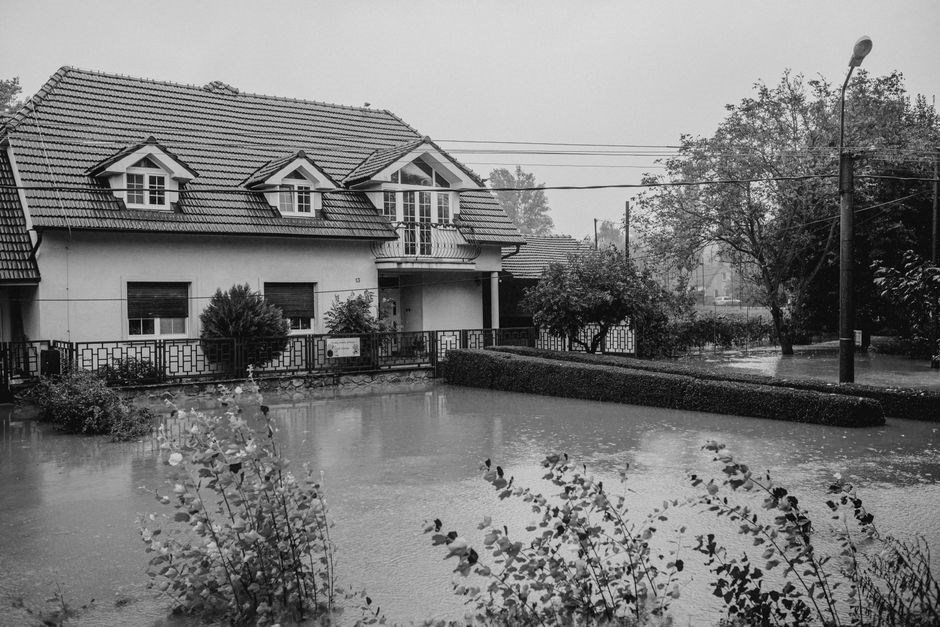
Automobile liability insurance is a core component of property and casualty coverage, protecting drivers and third parties from financial loss when an insured vehicle causes bodily injury or property damage. The policy typically includes bodily injury liability, property damage liability, and may offer optional coverage such as uninsured/underinsured motorist protection. Liability limits are expressed as per‑incident and aggregate amounts, and deductibles reduce the insurer’s payout. State‑mandated minimums vary, but many jurisdictions require higher limits for commercial or high‑value vehicles. Claims are processed through a structured workflow: the insured reports the incident, the insurer assigns a claims adjuster, evidence is collected, liability is determined, and settlements or court judgments are executed. Policy language often contains exclusions for intentional acts, racing, or use of the vehicle for commercial purposes unless specifically covered. Understanding the distinction between liability, collision, and comprehensive coverage is essential for accurate underwriting and risk management. The PDF glossary referenced in the course provides concise definitions and examples, enabling exam candidates to quickly recall key terms and apply them in scenario‑based questions. Mastery of automobile liability concepts is critical for both exam success and practical insurance practice.
Advertising Liability
Advertising liability insurance protects businesses from claims arising when promotional materials or marketing activities cause injury, property damage, or defamation. Coverage typically includes bodily injury liability, property damage liability, and defamation or libel protection. The policy limits are expressed per incident and aggregate, and deductibles apply. Common exclusions involve intentional wrongdoing, product liability, or non‑advertising related claims. Claims arise when a customer or third party alleges that an advertisement misrepresented a product, caused a false impression, or infringed on intellectual property. The insurer evaluates the claim by reviewing the ad content, the context, and the alleged damages. Settlement or defense costs are covered up to the policy limits. The PDF glossary used in exam prep provides concise definitions, examples, and scenario questions that help candidates quickly recall key terms and apply them in practice. Understanding advertising liability is essential for both exam success and real‑world risk management, as many businesses rely on advertising to generate revenue and must protect against potential lawsuits.

Specialized Liabilities
Specialized liability coverage addresses niche risks such as professional errors, product defects, and environmental harm. Policies offer tailored limits, exclusions, and defense costs, ensuring businesses meet regulatory and contractual obligations protecting against costly litigation.

Bodily Injury Liability
Bodily injury liability protects insureds against claims for physical injury caused by their operations, products, or premises. Coverage includes medical expenses, lost wages, pain and suffering, and legal defense costs. Limits are per occurrence and aggregate, commonly ranging from $1 million to $10 million. Exclusions cover intentional acts, professional negligence, or injuries from high‑risk activities such as auto or aviation. Endorsements can extend coverage to employees or contractors. Understanding limits, sub‑limits, and interaction with other liability lines is essential for exam candidates, ensuring accurate pricing and risk management.
Often paired with general liability or umbrella policies, bodily injury liability provides excess coverage beyond primary limits. The umbrella layer offers a higher aggregate limit, typically starting at $1 million, and can absorb multiple claims that exceed the underlying policy’s limits. Policy language specifies the “excess” nature, meaning the umbrella pays only after primary limits are exhausted. Many insurers offer “broad form” and “narrow form” options: broad form covers bodily injury from negligence, while narrow form may exclude certain injuries, such as those arising from the insured’s own vehicles. Exam questions probe differences between these forms, the impact of endorsements, and the role of deductibles in shaping insurer exposure.
Policyholders should review exclusions carefully, as many bodily injury policies omit coverage for injuries sustained during certain activities like sports. Additionally, the policy may contain “indemn” clauses that require the insured to reimburse the insurer for certain defense costs, which can affect premium calc. Understanding these nuances helps ensure that coverage aligns with the insured’s risk profile and legal obligations.

Errors and Omissions
Errors and omissions (E&O) insurance shields professionals from claims alleging negligence, misrepresentation, or failure to deliver promised services. The policy covers legal defense costs, settlements, and judgments up to the policy limit, typically ranging from $1 million to $5 million per claim. E&O is essential for consultants, architects, engineers, and IT specialists, as it protects against costly lawsuits that can arise from seemingly minor oversights. Coverage is often bundled with malpractice or professional liability policies, providing a broader safety net. Key exclusions include intentional wrongdoing, fraudulent acts, and claims arising from bodily injury or property damage. Policyholders should review the “indemnity” clause, which may require them to reimburse the insurer for defense expenses, and the “excess” provision, which allows an umbrella layer to kick in after primary limits are exhausted. Understanding the interplay between limits, deductibles, and sub‑limits is crucial for accurate underwriting and risk management; E&O policies also typically include “claims‑made” and “occurrence” options, influencing the timing of coverage and the need for retroactive dates. Properly selecting the right coverage type ensures that professionals can focus on their core services without the looming threat of financial loss from legal disputes. Many insurers also provide a “claims‑free” discount for clients who keep a clean record over a set period, often cutting premiums by up to 10 percent, which encourages prudent risk management loyalty.

Exam Prep Resources
Download free PDF glossaries and enroll in Birdsy AI courses to master property and casualty terms. Practice quizzes, flashcards, and study guides help reinforce definitions and exam strategies, boosting confidence and score potential. Use quizzes and flashcards to test knowledge

Free PDF Glossaries
This PDF is curated by industry experts and updated annually to reflect changes in terminology and regulatory requirements It features interactive hyperlinks to related policy documents, quick‑reference tables, and a searchable index. Users can bookmark key sections, print selective pages, or export the glossary to note‑taking apps. The format supports accessibility features such as screen‑reader compatibility and adjustable font sizes, making it suitable for learners with diverse needs. Its layout aids focus on key daily concepts.!!
Birdsy AI Course
Birdsy AI offers a comprehensive, interactive curriculum designed for aspiring property and casualty professionals. The course leverages machine‑learning‑driven flashcards, adaptive quizzes, and real‑world case studies to reinforce key terminology, underwriting principles, and regulatory frameworks. Students receive instant feedback, progress analytics, and personalized study plans that align with the latest exam syllabi. The platform integrates downloadable PDF glossaries, video tutorials, and live practice exams that mirror the structure of state licensing tests. Birdsy’s AI engine tracks performance trends, identifies knowledge gaps, and recommends targeted review modules. Participants can join a community forum for peer discussion, instructor Q&A sessions, and networking opportunities. The course is fully accredited by major insurance education boards and offers a pass‑guarantee policy: if you fail the exam within 12 months of completion, Birdsy will refund the course fee and cover the next exam fee. Enrollment is flexible, with monthly, quarterly, and annual subscription options, and the platform is compatible with desktop, tablet, and mobile devices. Whether you’re preparing for the Texas Property & Casualty exam, the Florida Insurance License, or a national certification, Birdsy AI provides a data‑backed, engaging learning experience that maximizes retention and exam readiness. The course also offers a 24/7 support hotline, a mobile app for on-the-go study, and a community leaderboard that tracks progress across the entire cohort.!!